Insights

Short commentary and analytical insights

Governance & Institutions, Insights

The Archipelagic Sentinel Must Also Be Resilient at Home

The Philippines cannot serve as an archipelagic sentinel if it is brittle at home. Teodoro’s Shangri-La message and the Negros incidents point to the same lesson: gray-zone defense begins with people. Ships, alliances, and laws matter, but legitimacy, presence, information discipline, and community trust determine whether national resolve can endure when pressure arrives.

Governance & Institutions, Insights

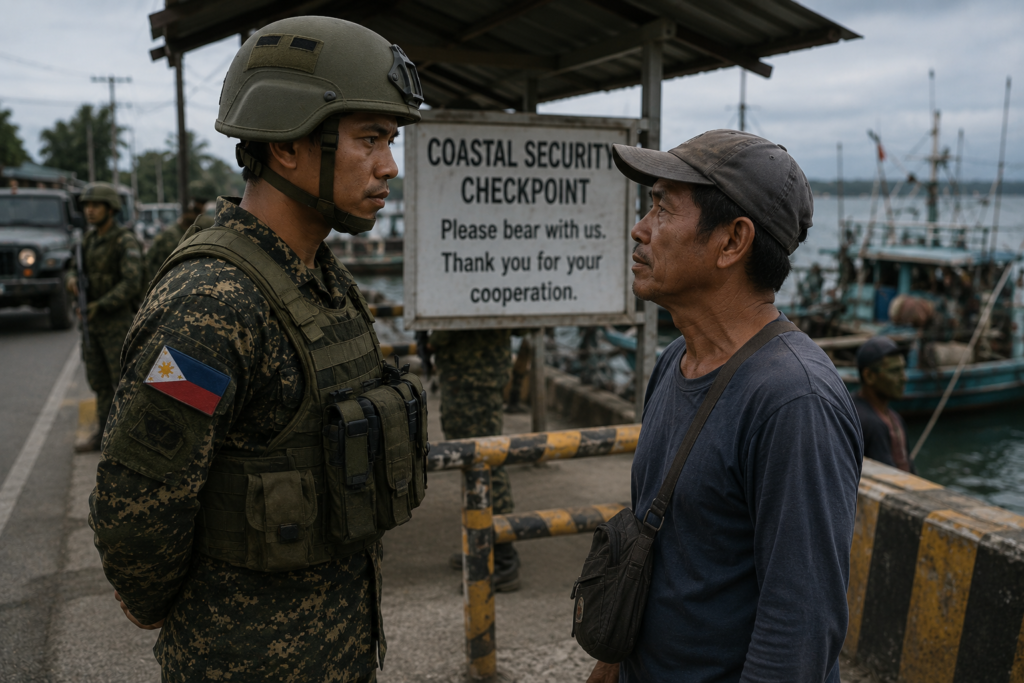
Why Soldiers Sound Harsh: The Hidden Logic of Military Discipline

Many people think soldiers are rude.

The uncomfortable truth is that military discipline was never designed to make people comfortable. It was designed to make people survive.

The command that sounds harsh in peacetime may be the same command that saves lives in war, disaster, or crisis.

The real danger is not that soldiers sound harsh. The real danger is that an entire society forgets why they do.

Governance & Institutions, Insights

From Secrecy to Scale

This article argues that technology secrecy in modern warfare is increasingly short-lived, while operational secrecy remains decisive. Accelerated by artificial intelligence, the cycle from observation to exploitation has compressed, shifting advantage toward forces that can rapidly integrate and diffuse capabilities. In this environment, organizational speed—not technological possession—emerges as the critical determinant of operational effectiveness.

Governance & Institutions, Insights

From White Area to Gray Zone: Why Counterinsurgency Lessons Still Matter

The Philippine Army’s counterinsurgency experience still matters because competition often rewards those who shape the environment, not just those who win firefights. “White area operations” showed how finance, political organizing, media narratives, and legal tactics can sustain conflict below open violence. Today, similar environment-first logic appears in gray zone competition—different actors, scale—making credibility, due process, and civic space decisive terrain.

Defense and Military Affairs, Insights

Making the Total Force Real: Reserve Integration in Western and Central Visayas

This article examines how reserve forces in Western and Central Visayas were deliberately integrated with Regular Army units during recent disasters, transforming episodic mobilization into a campaign capability. It traces how years of command-driven alignment led to the Philippine Army’s first division-level handbook on reserve force employment, supporting the shift toward Comprehensive Archipelagic Defense.

Scroll to Top