Author name: BalangAI Strategic Security Institute

Governance & Institutions, Insights, Uncategorized

Military Reservations: Why Every Filipino Has a Stake in Preserving Them

Every Filipino benefits from military reservations, even those who never set foot on one. They are where soldiers train before typhoons strike, where equipment is maintained before disasters demand it, and where the Armed Forces prepares to defend the nation’s sovereignty. Far from land withheld from the people, reservations like Fort Magsaysay are strategic assets held in trust for them — supporting local economies, preserving natural landscapes, and safeguarding the peace and security every Filipino depends on to live, work, and thrive.

Governance & Institutions, Insights

The Archipelagic Sentinel Must Also Be Resilient at Home

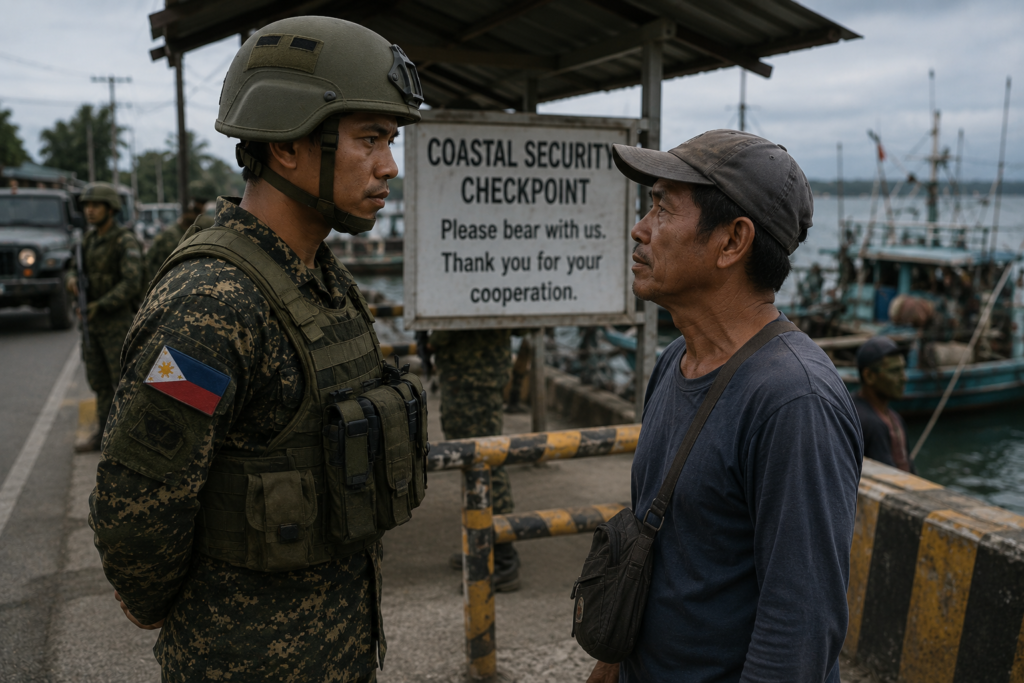
The Philippines cannot serve as an archipelagic sentinel if it is brittle at home. Teodoro’s Shangri-La message and the Negros incidents point to the same lesson: gray-zone defense begins with people. Ships, alliances, and laws matter, but legitimacy, presence, information discipline, and community trust determine whether national resolve can endure when pressure arrives.

Governance & Institutions, Insights

Why Soldiers Sound Harsh: The Hidden Logic of Military Discipline

Many people think soldiers are rude.

The uncomfortable truth is that military discipline was never designed to make people comfortable. It was designed to make people survive.

The command that sounds harsh in peacetime may be the same command that saves lives in war, disaster, or crisis.

The real danger is not that soldiers sound harsh. The real danger is that an entire society forgets why they do.

Uncategorized

Military Exercises as Instruments of Stability in an Uncertain World

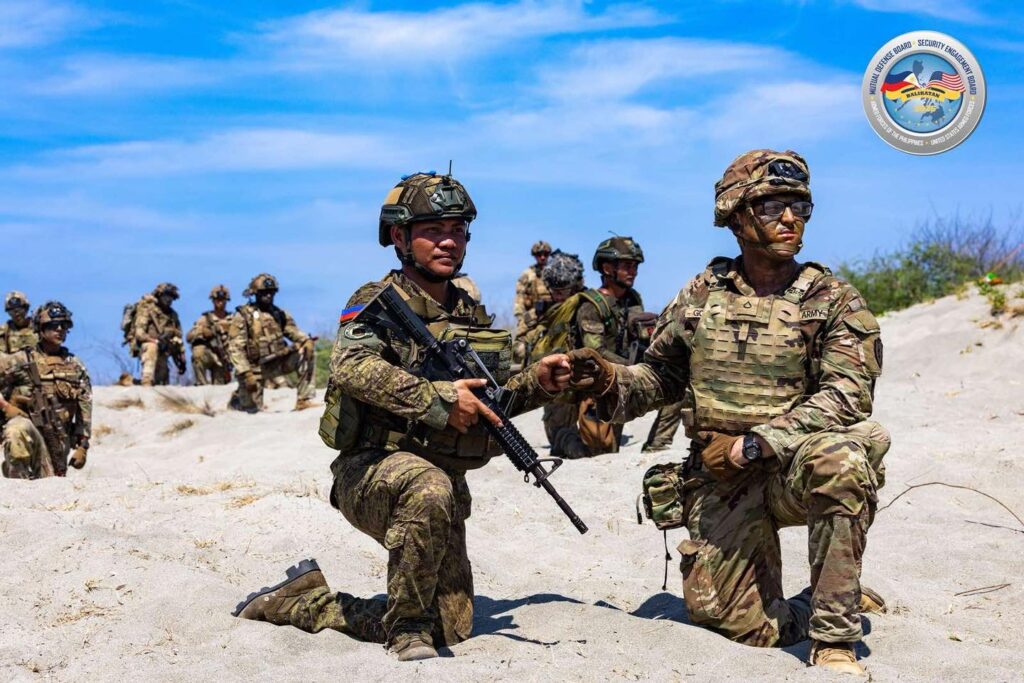
Military exercises are strategic instruments that translate doctrine into credible capability, strengthen deterrence, and reduce miscalculation in an uncertain international system. When deliberately designed, they balance transparency and operational security, demonstrate readiness without unnecessary escalation, and reinforce interoperability. Properly executed, they enable institutional learning and signal resolve, contributing to stability while managing the risks inherent in visible military preparedness.

Governance & Institutions, Insights

From Secrecy to Scale

This article argues that technology secrecy in modern warfare is increasingly short-lived, while operational secrecy remains decisive. Accelerated by artificial intelligence, the cycle from observation to exploitation has compressed, shifting advantage toward forces that can rapidly integrate and diffuse capabilities. In this environment, organizational speed—not technological possession—emerges as the critical determinant of operational effectiveness.

Governance & Institutions, Insights

From White Area to Gray Zone: Why Counterinsurgency Lessons Still Matter

The Philippine Army’s counterinsurgency experience still matters because competition often rewards those who shape the environment, not just those who win firefights. “White area operations” showed how finance, political organizing, media narratives, and legal tactics can sustain conflict below open violence. Today, similar environment-first logic appears in gray zone competition—different actors, scale—making credibility, due process, and civic space decisive terrain.

Peace & Conflict

The Last Mile: Why Peace Requires More Than Military Victory in the Philippine Insurgency

Military victory can silence guns, but it doesn’t finish the job. The real “last mile” of peace is governance that delivers—roads that get completed, schools that open, services that reach the far barangays, and justice people can trust. Without that follow-through, security gains fade, and communities remain trapped between fear and broken promises.

Governance & Institutions

Honoring Brig. Gen. Quintin A. Alcudia: Building the Reserve Force Across Generations

Before today’s Total Force posture, officers like Brig. Gen. Quintin A. Alcudia laid groundwork through quiet staff work. In 1977, he studied consolidating Regional Community Defense Units—modest but foundational. His son now commands RESCOM as Major General. Institutions are built through steady work, endurance, and multigenerational service.

Scroll to Top